

The Dangers of a Wood Burning Fire
A wood-burning fire can be a comfortable and relaxing experience. However, it can create harmful combustion products. It is crucial to understand how wood burns, and how to use your fireplace properly.
Choose dried or seasoned logs. Logs that are seasoned are less moist and burn hotter than unseasoned logs.
Burning Time
The burning of wood is a very effective and traditional method of heating. This fire can emit pollutants from both the indoor and outdoor environment that can be harmful to human health. A well-designed fireplace, properly used can lessen the negative effects of burning wood.
The length of time that a wood fire lasts depends on how hot it is. The temperature of the fire will affect the amount of smoke that is produced and the amount of carbon monoxide that is released. If the levels of carbon monoxide are high, they may impede the escape of occupants from a building that is burning. It is crucial to maintain the temperature of the fire at a lower level the fire to avoid this.
During the initial phase of the fire, volatile gases such as alcohol and methane are released from the wood's cellulose. These gases are non-combustible or combustible, based on the moisture content and pyrolysis temperatures of the sample. The temperature of pyrolysis rises to around 325 degrees Celsius. At this point cellulose begins to decompose and form tar and charcoal. This process is known as wood pyrolysis.
Burning wood releases toxic combustion products such as dioxins, polyaromatic hydrocarbons and PAHs. PAHs are known to cause cancer and other illnesses in animals and humans. They can also contaminate soil and water. Wood must be burnt in a location that is well ventilated to minimize the effects of PAHs.
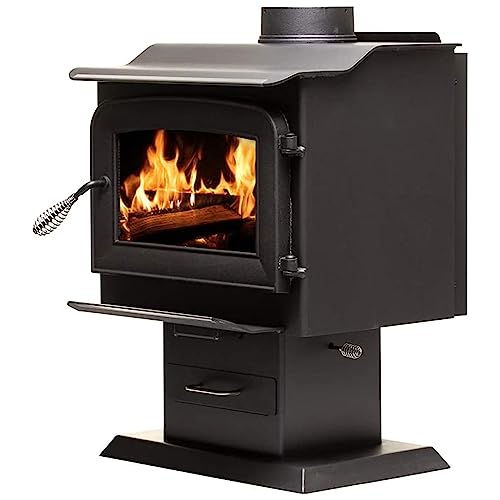
A wood stove with an extended burn feature can sustain visible flames for hours, while using only a small amount of fuel. This method involves layering wood with lighter kindling as well as heavier pieces to prevent the fire burning out too fast. This technique can be used for a fire to produce high heat, either overnight or while you're at work.
The length of the fire is determined by a variety of factors, including the moisture content in the wood. Dry wood burns more quickly than damp wood. The surface's absorptivity affects the duration of its burning. Simms [59] found that the critical heat flux required to ignite Mahogany and oak samples with coated surfaces was considerably less than without them.
Temperature
The temperature of the fire is very crucial. The temperature of a fire will influence how quickly it burns and also the amount of heat it produces. It also affects how dangerous it is to get burned. It can also impact how much smoke is produced. If there is a lot of smoke, it can irritate the eyes and throat which is why people should avoid breathing in it.
When wood burns it generates plenty of heat and it can reach very high temperatures. The temperature of a flame can depend on the kind of wood is used as well as its moisture content. Wet wood, for example is likely to burn at less heat than dry wood. This is because wet wood will absorb more water and produce less heat. It is essential to use dry wood and you should ensure that the wood is well-seasoned prior to burning it.
When the wood reaches its peak burning temperature it will release a lot of heat and ash. The amount of ash that is released will depend on the type of wood that is being burned and how hot it burns. Some woods, such as larch and oak, produce very little ash when they burn. Others, such as birch, can produce a large amount of ash.
As the wood is burned, it will go through a three-stage pyrolysis process. This process starts by a chemistry reaction which converts the organic compounds within the wood to carbon dioxide and methane. wood burning stoves fireplacesandstove resulting gases are taken up by the air. When the wood is heated, these gases will rise, and ignite the surface of the wood which will create the appearance of a flame, which heats the wood until it explodes.
It is crucial to avoid touching the wood burning fire with your naked skin since it could cause burns. It is also essential to avoid touching the wood burning fire with your naked skin as it could cause burns. Wearing gloves and working in an area that is ventilated can reduce the risk of being burned. A mask is recommended when working with fires that burn wood to prevent breathing in smoke.
Smoke
Wood burning fires generate smoke and a mix of fine particles and gases (also known as particulate matter or PM) which contain harmful air pollutant. PM from wood combustion can contain harmful organic compounds like formaldehyde, benzene and polycyclic aromatic hydrocarbons, as well as mineral particles like calcium, potassium and magnesium. These particles can cause range of health issues, including cancer and respiratory diseases. When people breathe in smoke from wood they also breathe in carbon monoxide (CO), an odorless and colorless gas that can cause deadly poisoning in small amounts.
The smoke produced from the wood fire is mostly due to volatile organic compounds (hydrocarbons) which evaporate from the burning material. The smoke contains water vapor, as well as the by-products of incomplete burning (such as creosote) and some unburned material called Ash.
When choosing the type of wood that you want to burn in your woodstove or fireplace It is best to choose firewood that is seasoned. Logs that are split and stored out of the elements and allowed to dry until they are seasoned (a moisture content of 20-25 percent) will burn more slowly and produce less creosote. Knocking the log on both sides is an excellent method of determining the moisture content. A damp log will sound dull while wood that is seasoned will sound sharp.
The smoke and other byproducts are emitted through the chimney. If the ventilation system of the home is inadequate and the chimney is not properly ventilated, it may be insufficiently able to draw air and create an back draft. This can cause byproducts from the fire to accumulate inside the house. This can cause the buildup of dangerous carbon monoxide, as inflammable creosote, as well as cinders.
Smoke from a wood-burning fireplace can be particularly hazardous to people over the age of 65, those who suffer from lung or heart disease, children, and those who are active outdoors. Smoke from wildfires could be harmful to the health of older people, those with heart or lung disease, children and people who exercise.
Safety
If you're using a wood burning fire, there are some precautions to take to minimize the risk of fire-related accidents and damage. You should always make use of an electric fireplace or wood stove screen and keep all flammable items at 3 feet from the fire. Smoke and carbon monoxide detectors should also be installed in your home to warn you if dangerous gases are detected. It is not advisable to leave a fire unattended as even a small flame can cause an explosive explosion. In the same way, you should only use a metal shovel and Ash buckets to remove the ashes from your fireplace or wood stove and keep it away from anything flammable.
Lighting the Fire
To start the fire, lay down a layer of cleft and dry logs on the top of a bed ash. Add a layer of twigs, kindling and ash to the pile. Make sure there's enough space between each piece of wood to allow air circulation, which will prevent the fire from dying too quickly. Include a few firelighters if you need some extra assistance to get your fire up and running.
It is also recommended to open a door when you're starting your fire, since this will allow it to get the oxygen it requires to ignite brightly. This is particularly important for modern homes which are often tightly insulated and have no natural draft or ventilation.
Once the fire has been established, you can add larger pieces of wood. But, it is important to remember that even the most seasoned hardwoods such as oak and hickory still produce lots of creosote when they are burned so you should try to be careful not to burn them as much as you can.
If possible, only burn wood that has been seasoned or kiln dried to reduce the risk of creosote building up in your chimney. If you are forced to make use of newly cut or green firewood, be cautious because it will create more smoke and can result in more creosote.